

Dopamine, Determination, and Discovery: My Journey to a PhD in Pharmacology
Location
Mailman-Hollywood Auditorium
Start Date
24-3-2027 12:00 PM
End Date
24-3-2027 12:50 PM
Description
Ryan Luib is a PhD candidate in pharmacology and toxicology at the University of Texas Medical Branch in Galveston, Texas whose research focuses on developing new treatments for cocaine use disorder (CUD). Under the mentorship of Dr. John Allen, Ryan has been thoroughly enriched in receptor pharmacology. His work centers on GPR52, an orphan G-protein coupled receptor expressed in the striatum, specifically the nucleus accumbens (NAc), a central hub for addiction. Within the NAc, GPR52 has been shown to activate dopamine D2 receptor-expressing neurons that promote resilience to CUD. Ryan conducts drug screening to find novel chemical probes that selectively target GPR52. Our lab aims to elucidate the role of GPR52 in regulating dopamine signaling, excitability, and relapse-related behavior using both cellular and animal models.
Beyond his research, Ryan is enthusiastic about highlighting the diverse career paths available within pharmacology and drug discovery. From academic research and industry-based medicinal chemistry to regulatory science, clinical pharmacology, and biotechnology entrepreneurship, the field ofers a wide range of trajectories for scientists. Ryan hopes to share his own journey, from undergraduate coursework to hands-on bench science in a PhD program, as a way to demystify what a career in drug discovery looks like and to encourage undergraduates considering similar paths to explore the many ways scientific training can be applied toward solving real-world health challenges like addiction. He hopes to represent a career in scientific research approachable as a viable option after undergrad.
About the presenter:
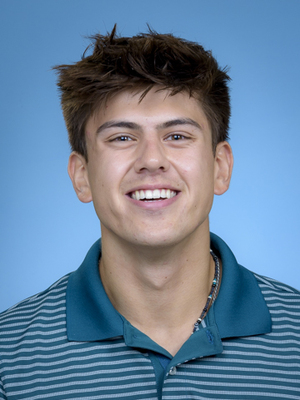
Ryan Luib an alumni of NSU, graduating in 2024 with a Bachelor of Science in Biology. While at NSU, Ryan was highly active in the Ultimate Frisbee team, Science Alive!, and Phi Delta Theta. Like many other students, Ryan entered undergrad with the intention of pursuing a career in patient care. During his first semester here, Ryan was exposed to the world of research by presenting work done in the Introduction to Protein Modeling course at the annual ASBMB conference. This completely opened the door for him to consider research as a career. He continued to attend conferences and worked a summer at Dr. Hao Chen’s lab in UTHSC where they studied the efects of social behavior on nicotine addiction. These experiences led to the decision to continue his education at University of Texas Medical Branch. Ryan is now three years into his PhD program where he is expanding his knowledge of pharmacology and addiction science while working towards alternative treatments for cocaine use disorder. Outside of the lab, you can find Ryan competing in sandcastle competitions, going to concerts, and being outside any chance he has.
Dopamine, Determination, and Discovery: My Journey to a PhD in Pharmacology
Mailman-Hollywood Auditorium
Ryan Luib is a PhD candidate in pharmacology and toxicology at the University of Texas Medical Branch in Galveston, Texas whose research focuses on developing new treatments for cocaine use disorder (CUD). Under the mentorship of Dr. John Allen, Ryan has been thoroughly enriched in receptor pharmacology. His work centers on GPR52, an orphan G-protein coupled receptor expressed in the striatum, specifically the nucleus accumbens (NAc), a central hub for addiction. Within the NAc, GPR52 has been shown to activate dopamine D2 receptor-expressing neurons that promote resilience to CUD. Ryan conducts drug screening to find novel chemical probes that selectively target GPR52. Our lab aims to elucidate the role of GPR52 in regulating dopamine signaling, excitability, and relapse-related behavior using both cellular and animal models.
Beyond his research, Ryan is enthusiastic about highlighting the diverse career paths available within pharmacology and drug discovery. From academic research and industry-based medicinal chemistry to regulatory science, clinical pharmacology, and biotechnology entrepreneurship, the field ofers a wide range of trajectories for scientists. Ryan hopes to share his own journey, from undergraduate coursework to hands-on bench science in a PhD program, as a way to demystify what a career in drug discovery looks like and to encourage undergraduates considering similar paths to explore the many ways scientific training can be applied toward solving real-world health challenges like addiction. He hopes to represent a career in scientific research approachable as a viable option after undergrad.
About the presenter:
Ryan Luib an alumni of NSU, graduating in 2024 with a Bachelor of Science in Biology. While at NSU, Ryan was highly active in the Ultimate Frisbee team, Science Alive!, and Phi Delta Theta. Like many other students, Ryan entered undergrad with the intention of pursuing a career in patient care. During his first semester here, Ryan was exposed to the world of research by presenting work done in the Introduction to Protein Modeling course at the annual ASBMB conference. This completely opened the door for him to consider research as a career. He continued to attend conferences and worked a summer at Dr. Hao Chen’s lab in UTHSC where they studied the efects of social behavior on nicotine addiction. These experiences led to the decision to continue his education at University of Texas Medical Branch. Ryan is now three years into his PhD program where he is expanding his knowledge of pharmacology and addiction science while working towards alternative treatments for cocaine use disorder. Outside of the lab, you can find Ryan competing in sandcastle competitions, going to concerts, and being outside any chance he has.